Introduction
Managing advanced feline kidney disease can feel overwhelming for many pet parents. When your veterinarian diagnoses your cat with Feline Chronic Kidney Disease (CKD) Stage 3 & 4: Subcutaneous Fluids and Phosphorus Binders become the primary foundation of your daily care routine. Understanding these treatments helps you provide compassionate home care that keeps your cat comfortable and hydrated.
At these advanced stages, the kidneys lose most of their filtering ability. Toxins build up in the bloodstream, leading to nausea, lethargy, and decreased appetite. However, with consistent home supportive therapy, many cats continue to enjoy a peaceful life with their human families.
This comprehensive guide breaks down how subcutaneous fluid administration and phosphorus management work together. By mastering these two crucial treatments, you can proactively support your cat’s health, prevent severe dehydration, and slow down metabolic complications.
Understanding Advanced Stage 3 and Stage 4 Feline CKD
Cats in Stage 3 and Stage 4 CKD experience significant loss of renal function. In Stage 3, kidney function drops to between fifteen and twenty-five percent. Blood urea nitrogen and serum creatinine levels rise noticeably during routine bloodwork.
By the time a cat reaches Stage 4, kidney function falls below fifteen percent. The kidneys struggle to concentrate urine, leading to frequent urination and constant thirst. Without adequate intervention, cats rapidly lose weight and develop severe electrolyte imbalance.
Recognizing the shift to advanced stages is vital for timely supportive care. Cats often display poor grooming habits, muscle wasting, and severe weakness. Providing targeted daily medical support becomes necessary to maintain their dignity and physical comfort.

The Essential Role of Subcutaneous Fluids in Kidney Care
Subcutaneous fluids act as an external filtration support system for failing kidneys. Because the kidneys can no longer conserve water, cats flush out massive amounts of fluid daily. Oral water intake alone is rarely enough to prevent systemic dehydration.
Administering balanced electrolyte solutions under the skin creates a temporary reservoir. The body gradually absorbs this fluid over several hours, flushing out accumulated metabolic waste products. This process significantly reduces chronic nausea and restores missing energy levels.
Regular fluid therapy also protects vital organs from secondary stress. Well-hydrated blood flows more easily through remaining kidney nephrons, preserving whatever functional tissue remains. Most veterinarians prescribe daily or every-other-day fluid administrations tailored to your cat’s specific heart and kidney status.
Guide to Administering Sub-Q Fluids at Home
Administering home fluids sounds intimidating at first, but most owners master the skill quickly. Gather all supplies in a quiet, comfortable space before bringing your cat into the room. You will need a fluid bag, a sterile drip set, and an appropriate gauge needle.
Warm the fluid bag gently in a warm water bath to match your cat’s body temperature. Never microwave fluid bags, as this creates dangerous hot spots that can harm your pet. Hang the bag elevated above your workspace to ensure strong gravity flow.
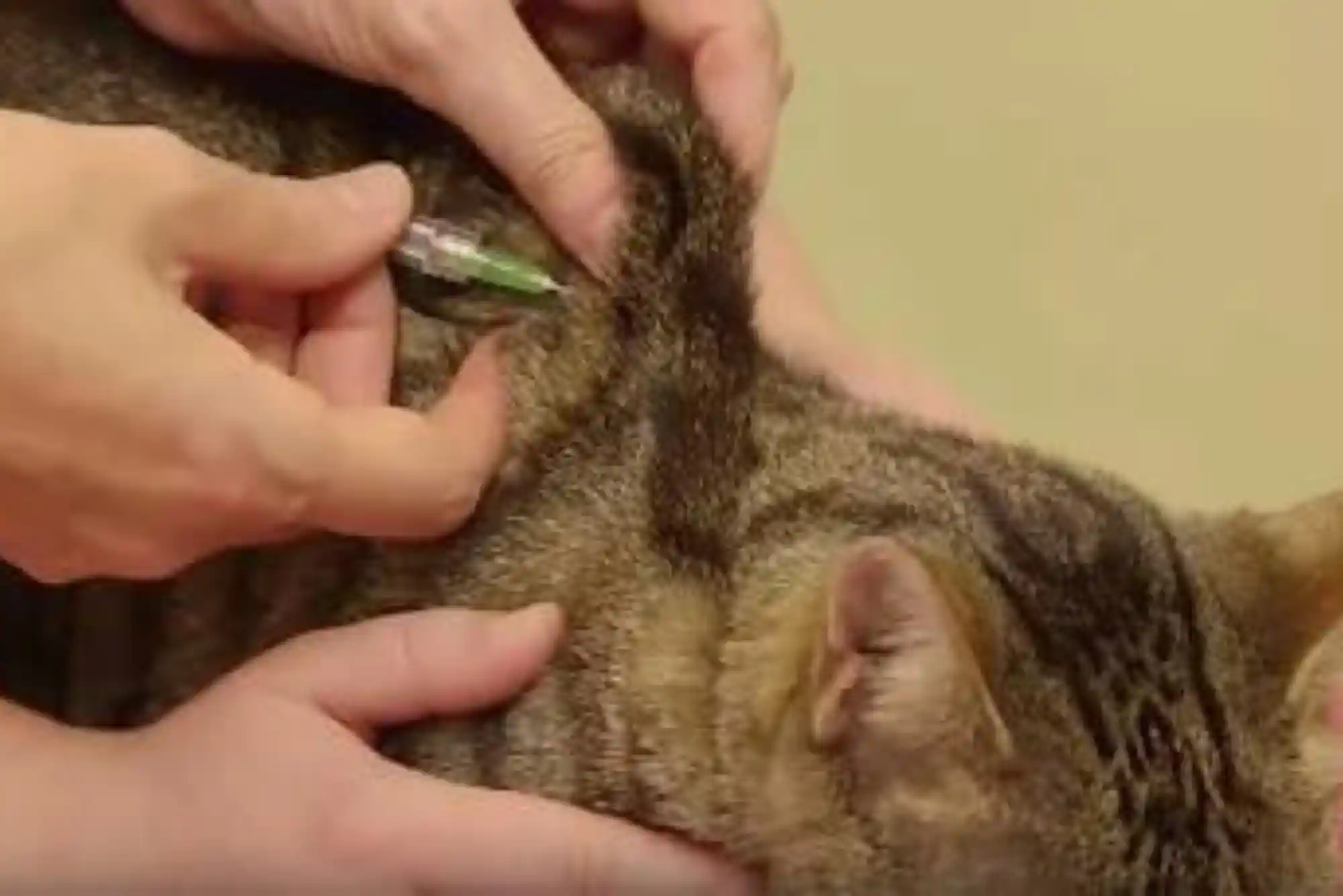
Tent the loose skin over your cat’s shoulder blades and insert the needle smoothly at a slight downward angle. Open the roller clamp fully to allow the fluid to flow steadily. Reward your cat with gentle petting and low-phosphorus treats to create a positive association.
Why Phosphorus Control Matters in Advanced Feline CKD
Phosphorus build-up is one of the most dangerous complications in advanced feline kidney disease. Healthy kidneys filter extra phosphorus out through urine. As kidney function deteriorates, serum phosphorus levels skyrocket, causing a painful condition called hyperphosphatemia.
High phosphorus levels trigger hyperparathyroidism, forcing the body to leech calcium directly from the bones. This bone degradation leads to severe weakness, joint discomfort, and deep systemic malaise. Furthermore, elevated phosphorus accelerates ongoing kidney tissue destruction.
Controlling dietary phosphorus is the first line of defense, but advanced stages require stronger intervention. When therapeutic kidney diets can no longer keep blood phosphorus levels within safe limits, phosphorus binders become necessary to preserve comfortable living standards.
How Phosphorus Binders Work and Choosing the Right Type
Phosphorus binders are specialized oral medications given alongside meals. They bind to dietary phosphorus directly within the gastrointestinal tract before it enters the bloodstream. The bound compound then passes safely out through the stool.
There are several primary types of binders used in feline medicine today. Aluminum-based binders are highly effective for rapid phosphorus reduction during crisis moments. Calcium-based binders work well but require careful monitoring of serum calcium levels to avoid hypercalcemia.
Sevelamer and lanthanum carbonate represent modern, non-calcium, non-aluminum options. Your veterinarian will select the ideal binder based on your cat’s latest bloodwork values. Consistency is critical, as these medications must mix thoroughly with food to function correctly.
Practical Tips for Administering Oral Phosphorus Binders
Getting cats to take daily medication requires patience and creative strategies. Binders come in various formulations, including powders, liquids, capsules, and chewable tablets. Mixing powdered binders into wet food is often the easiest approach for cooperative eaters.
If your cat is picky, split the daily dose into smaller portions across multiple tiny meals throughout the day. Ensure the binder is thoroughly incorporated into the food so your cat cannot smell or taste the supplement. Never force-feed a nauseous cat, as this can trigger permanent food aversion.
Always give phosphorus binders directly with food or within two hours of feeding. Giving binders on an empty stomach drastically reduces their effectiveness and can cause digestive upset. Keep close track of your cat’s appetite and adjust dosing methods in consultation with your vet team.
Combining Fluids and Binders for Optimal Symptom Relief
Combining subcutaneous fluid therapy with phosphorus binders creates a powerful synergistic defense against CKD progression. Subcutaneous fluids continuously wash out toxic waste products like creatinine and urea. Simultaneously, phosphorus binders prevent painful mineral imbalances from damaging remaining kidney cells.
This dual-therapy approach targets the main physiological burdens of kidney failure. Cats receiving both therapies routinely exhibit improved appetite, better weight retention, and more active behavior. They spend far less time battling chronic nausea and dehydration.
Consistent daily execution creates stability in your cat’s routine. Tracking fluid volumes and medication schedules in a dedicated journal helps you identify subtle health changes early. Quick adjustments by your veterinary team can prevent major health crises before they develop.
Monitoring Bloodwork and Adjusting Treatment Protocols
Managing Feline Chronic Kidney Disease (CKD) Stage 3 & 4: Subcutaneous Fluids and Phosphorus Binders requires frequent blood and urine tests. Schedule recheck blood panels every one to three months depending on your cat’s stability. These tests track blood urea nitrogen, creatinine, phosphorus, calcium, and electrolyte levels.
Monitoring packed cell volume is also crucial because advanced kidney disease often causes non-regenerative anemia. Your veterinarian uses these blood values to fine-tune fluid volumes, administration frequency, and binder dosages. Never alter your fluid amounts or binder strengths without explicit veterinary direction.
Systemic blood pressure checks should always accompany routine blood tests. High blood pressure damages kidney blood vessels further and can lead to sudden blindness. Combining blood pressure control with fluid and binder protocols provides complete, comprehensive organ protection.
Frequently Asked Questions About Advanced Feline CKD
How often should a cat in Stage 3 or 4 CKD receive subcutaneous fluids?
Fluid schedules depend entirely on your cat’s individual hydration needs, heart health, and blood test results. Many Stage 3 cats receive fluids two to three times weekly, while Stage 4 cats often need daily treatments. Always follow your veterinarian’s precise volume and frequency recommendations.
Can phosphorus binders cause constipation in cats?
Yes, constipation is a known side effect of certain phosphorus binders, particularly aluminum and calcium-based varieties. Maintaining good hydration through regular subcutaneous fluids helps counteract this effect. Your vet may also recommend adding gentle stool softeners or soluble fiber if constipation persists.
What are the signs that phosphorus levels are too high in a cat?
Cats with elevated phosphorus levels often experience severe loss of appetite, persistent nausea, drooling, and extreme lethargy. They may also exhibit bone tenderness, weakness, and an unkempt coat. Regular blood tests are the only reliable way to detect rising phosphorus before severe symptoms appear.
Is it painful for cats to receive subcutaneous fluids at home?
When administered properly with sharp, warm, appropriately sized needles, subcutaneous fluid therapy causes minimal discomfort. Most cats tolerate the process very well, especially when kept calm with gentle praise, warm blankets, and delicious treats during the brief administration time.
Conclusion
Navigating advanced kidney disease in cats demands dedication, patience, and gentle care. While advanced kidney failure is progressive, combining regular subcutaneous fluid therapy with effective phosphorus binders offers your beloved companion the best chance at a comfortable, happy life. These core treatments control nausea, preserve hydration, and protect your cat from painful mineral imbalances. Work closely with your veterinary care team to monitor progress and adapt your routine as your cat’s needs evolve. If you suspect your cat is showing signs of kidney disease or if you need hands-on fluid administration training, contact your local veterinarian today to build a personalized care plan.