Introduction
A sudden medical crisis in your dog can leave you feeling helpless and overwhelmed. When a dog develops inflammation of the pancreas, every single minute counts. Recognizing canine pancreatitis emergency symptoms, understanding high-fat food dangers, and establishing a low-fat recovery diet can literally save your pet’s life. Many dog owners unknowingly trigger severe flare-ups by feeding table scraps or rich treats.
In this comprehensive guide, we will break down the essential warning signs, explain why dietary fats pose such a massive threat, and guide you through an optimal recovery plan. By keeping your dog on a safe diet and acting fast at the first sign of trouble, you can protect your pet from painful complications.
Understanding Canine Pancreatitis and How It Develops
The pancreas is a vital organ located near the stomach and small intestine. It plays two crucial roles in your dog’s body: producing insulin to regulate blood sugar and releasing digestive enzymes to break down food. In a healthy dog, these digestive enzymes remain inactive until they reach the small intestine.
Pancreatitis occurs when these potent digestive enzymes activate prematurely inside the pancreas itself. Instead of digesting food, the enzymes begin digesting the tissue of the organ. This self-digestion triggers intense inflammation, severe abdominal pain, and systemic distress across your dog’s whole body.
Canine Pancreatitis Emergency Symptoms You Must Never Ignore
Identifying pancreatic illness early can dramatically improve your dog’s medical prognosis. When inflammation spikes, dogs exhibit clear physical and behavioral distress signals. You must monitor your dog closely if you observe any combination of these sudden clinical signs.
Pancreatitis exists in two primary forms: acute and chronic. Acute pancreatitis comes on suddenly, often with severe and potentially life-threatening symptoms. Chronic pancreatitis develops gradually over time, causing recurrent mild illness and persistent damage to pancreatic tissue. Recognizing canine pancreatitis emergency symptoms early allows veterinarians to intervene before irreversible organ failure occurs.

Severe Abdominal Pain and the Prayer Position
Abdominal pain is the hallmark symptom of acute pancreatic inflammation. Dogs often express this agony through a classic stance known as the prayer position. Your dog will place their front elbows and chest flat on the floor while keeping their hindquarters raised high in the air.
This posture helps relieve pressure on their inflamed internal organs. Your pet may also cry out when touched around the belly or tuck their abdomen tightly while standing. Immediate veterinary care is required when a dog adopts this posture to manage their severe pain.
Repeated Vomiting and Persistent Dehydration
Frequent, violent vomiting is another critical red flag. A dog suffering from pancreatic irritation cannot keep food or water down. The vomited material often transitions from partially digested food to yellow bile or foam.
Continuous vomiting rapidly leads to severe dehydration, electrolyte imbalances, and metabolic shock. If your dog vomits multiple times in a single day, immediate veterinary evaluation is mandatory to prevent dangerous systemic complications.
Profuse Diarrhea and Loss of Appetite
Dogs experiencing acute flare-ups will almost always refuse food entirely. This sudden loss of appetite, known as anorexia, is accompanied by severe digestive upset and nausea.
The resulting diarrhea is frequently watery, voluminous, and foul-smelling. In severe cases, you may notice bright red blood or dark, tarry stool, indicating internal gastrointestinal bleeding that needs urgent medical treatment.
Extreme Lethargy, Fever, and Collapse
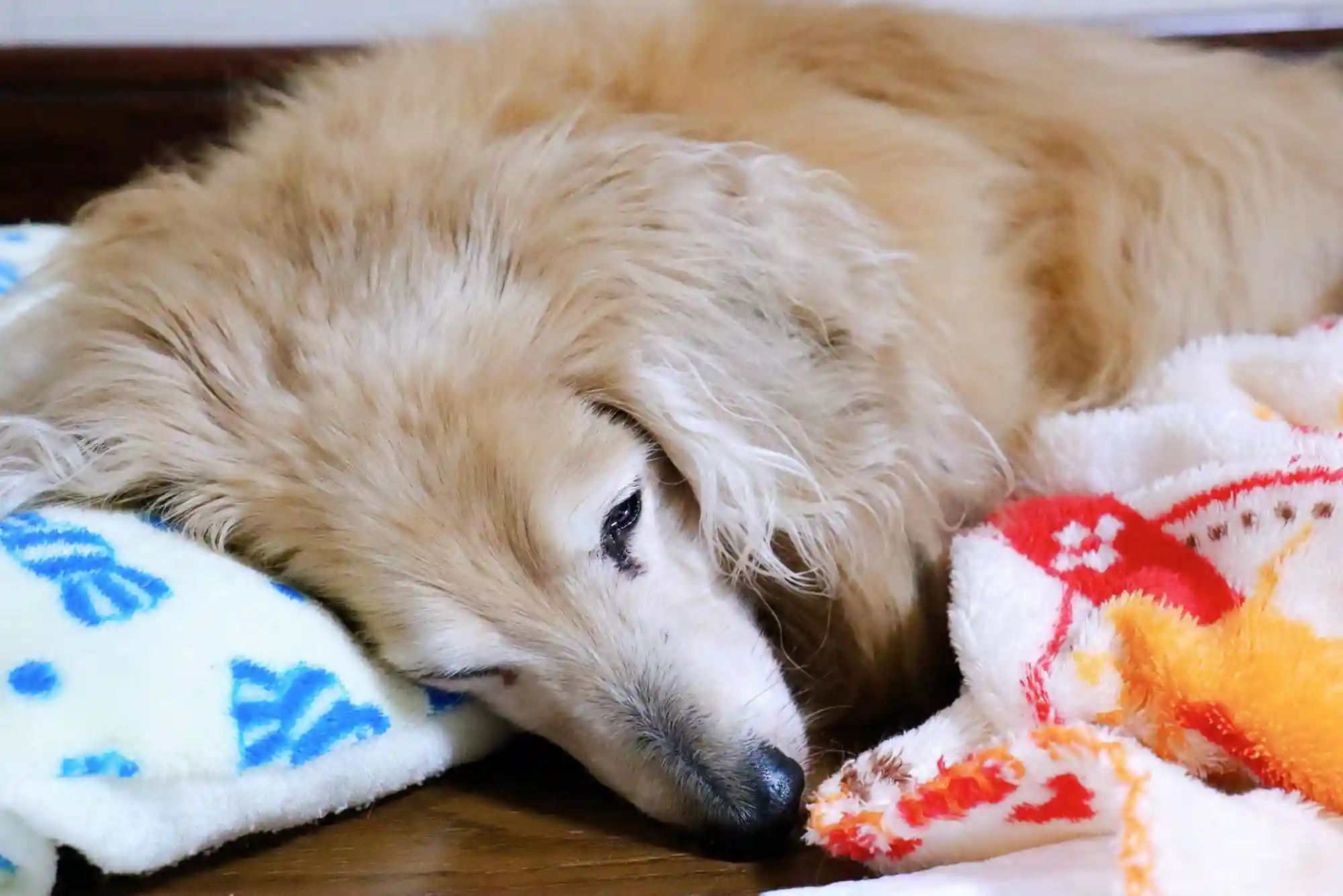
As inflammation spreads, systemic shock can set in. Your once energetic dog may become unusually weak, refusing to stand, walk, or engage with family members.
You might observe heavy panting, elevated heart rate, pale gums, and high fever. If your dog collapses or becomes unresponsive, transport them to an emergency veterinary clinic immediately.
The High-Fat Food Dangers Behind Pancreatic Flare-Ups
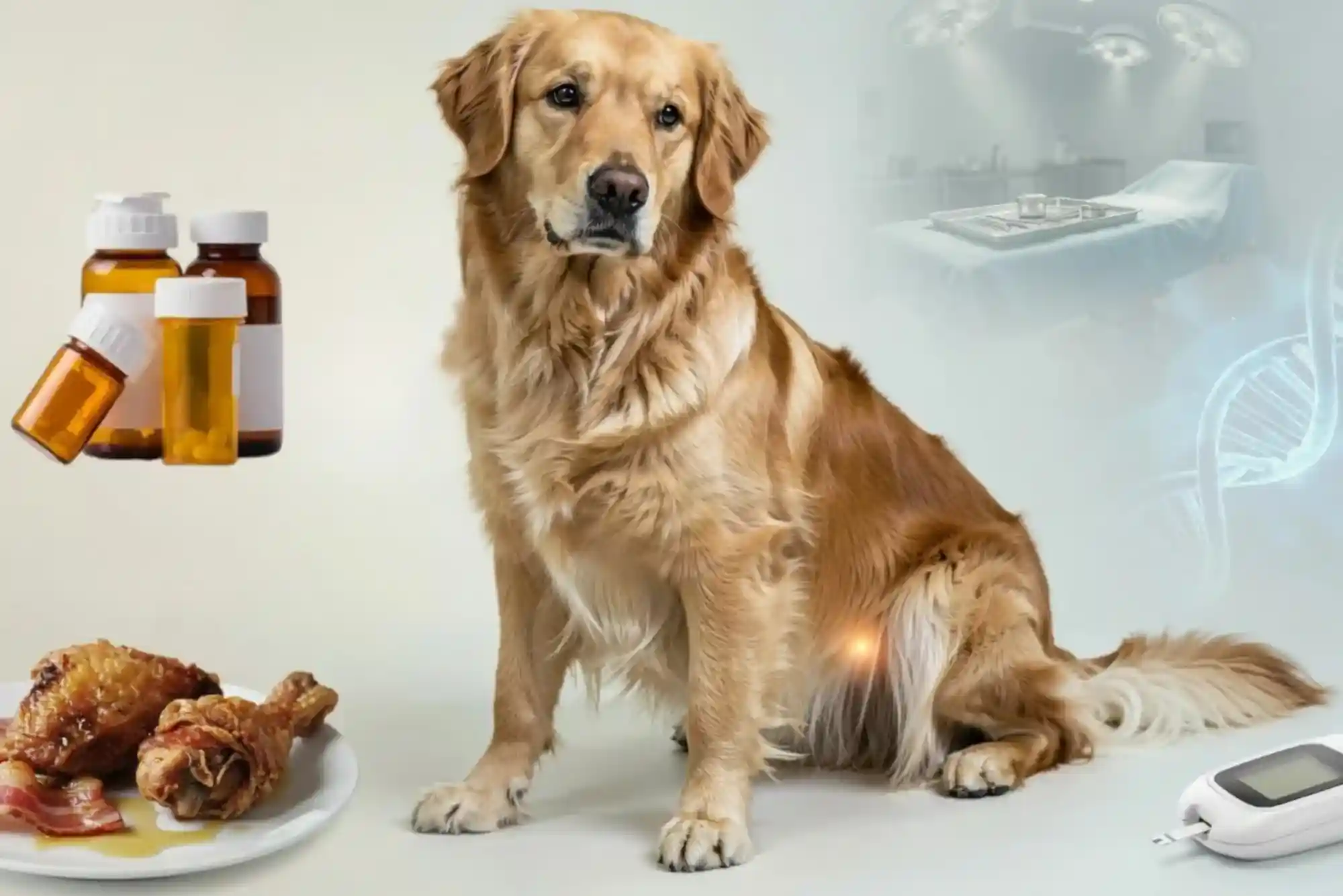
Diet plays a massive role in triggering acute attacks. Fatty foods are the leading dietary cause of pancreatic inflammation in domestic dogs. Understanding high-fat food dangers helps pet parents make safer nutritional choices for their companion animals.
When a dog ingests high-fat meals, the pancreas works overtime to secrete large volumes of lipase, the enzyme responsible for digesting lipids. This surge in enzyme production drastically increases the risk of premature enzyme activation. A single high-fat meal, such as bacon grease, sausage, buttered table scraps, or turkey skin, can trigger a severe emergency within hours.
Breed Risks and Underlying Factors
Certain dog breeds face an inherently higher genetic risk for pancreatic inflammation. Miniature Schnauzers, English Springer Spaniels, Cavalier King Charles Spaniels, and Yorkshire Terriers possess metabolic predispositions to hyperlipidemia, elevated blood fat levels.
For these vulnerable breeds, even small treats with moderate fat content can provoke acute attacks. Obesity, diabetes mellitus, Cushing’s disease, and certain medications further elevate a dog’s overall risk profile.
Emergency Veterinary Diagnosis and Immediate Treatment
When you arrive at the emergency clinic, your veterinary team will conduct rapid diagnostic assessments. Blood tests, such as the canine pancreatic lipase immunoreactivity test, measure specific pancreatic enzyme levels in the bloodstream.
Abdominal ultrasound imaging allows veterinarians to directly visualize swelling, fluid accumulation, or tissue damage around the organ. Initial medical intervention focuses heavily on aggressive fluid therapy to rehydrate the body, restore electrolyte balance, and maintain blood flow to the pancreas.
Implementing a Low-Fat Recovery Diet for Lasting Health
Once the acute crisis subsides and vomiting stops, transitioning to a low-fat recovery diet is vital for healing. Dietary management forms the absolute cornerstone of long-term pancreatitis management, preventing future life-threatening relapses.
During the immediate recovery phase, your veterinarian will typically prescribe an ultra-low-fat therapeutic prescription diet. These specialized commercial formulas contain highly digestible ingredients and restricted fat levels, usually under 7% to 10% on a dry matter basis. Lowering dietary fat reduces the workload on the pancreas, giving the delicate tissue time to rest and repair.
Home Cooking and Long-Term Dietary Safety
If you prepare home-cooked food under strict veterinary guidance, focus on lean protein sources and easily digestible carbohydrates. Plain boiled chicken breast without skin or bone, boiled lean ground turkey, white rice, canned pumpkin, and boiled sweet potatoes provide light, stomach-friendly nutrition.
Feed your recovering dog four to six small meals daily rather than one or two large feedings to avoid overburdening the digestive system. Long-term nutritional maintenance requires absolute commitment, meaning high-fat treats, cheese, and table scraps must be permanently removed from your dog’s diet.
Frequently Asked Questions
What are the first signs of pancreatitis in a dog?
The initial signs of pancreatitis usually include a sudden loss of appetite, lethargy, mild abdominal discomfort, and restless behavior. As the condition worsens over several hours, dogs typically develop repeated vomiting, watery diarrhea, and a hunched prayer position posture to relieve stomach pain.
Can a dog fully recover from severe pancreatitis?
Yes, many dogs achieve a full recovery from acute pancreatitis if they receive prompt veterinary medical treatment. However, severe cases can cause permanent organ damage or lead to chronic pancreatitis over time.
What home remedies can I give my dog for pancreatitis?
There are no safe home remedies for acute canine pancreatitis. Attempting to treat severe pancreatic inflammation at home without medical intervention can lead to fatal complications, including dehydration and organ failure.
What human foods are safe for dogs recovering from pancreatitis?
Safe human foods for recovering dogs include plain boiled white meat chicken breast, extra-lean ground turkey, plain cooked white rice, and plain canned pumpkin puree. These foods must be served completely plain, without any added oils, butter, salt, garlic, or seasonings.
Protect Your Dog’s Pancreatic Health Today
Recognizing canine pancreatitis emergency symptoms, high-fat food dangers, and low-fat recovery diets empowers you to protect your dog from preventable suffering. Pancreatitis is a swift, unpredictable, and dangerous medical condition, but fast action saves lives.