Introduction
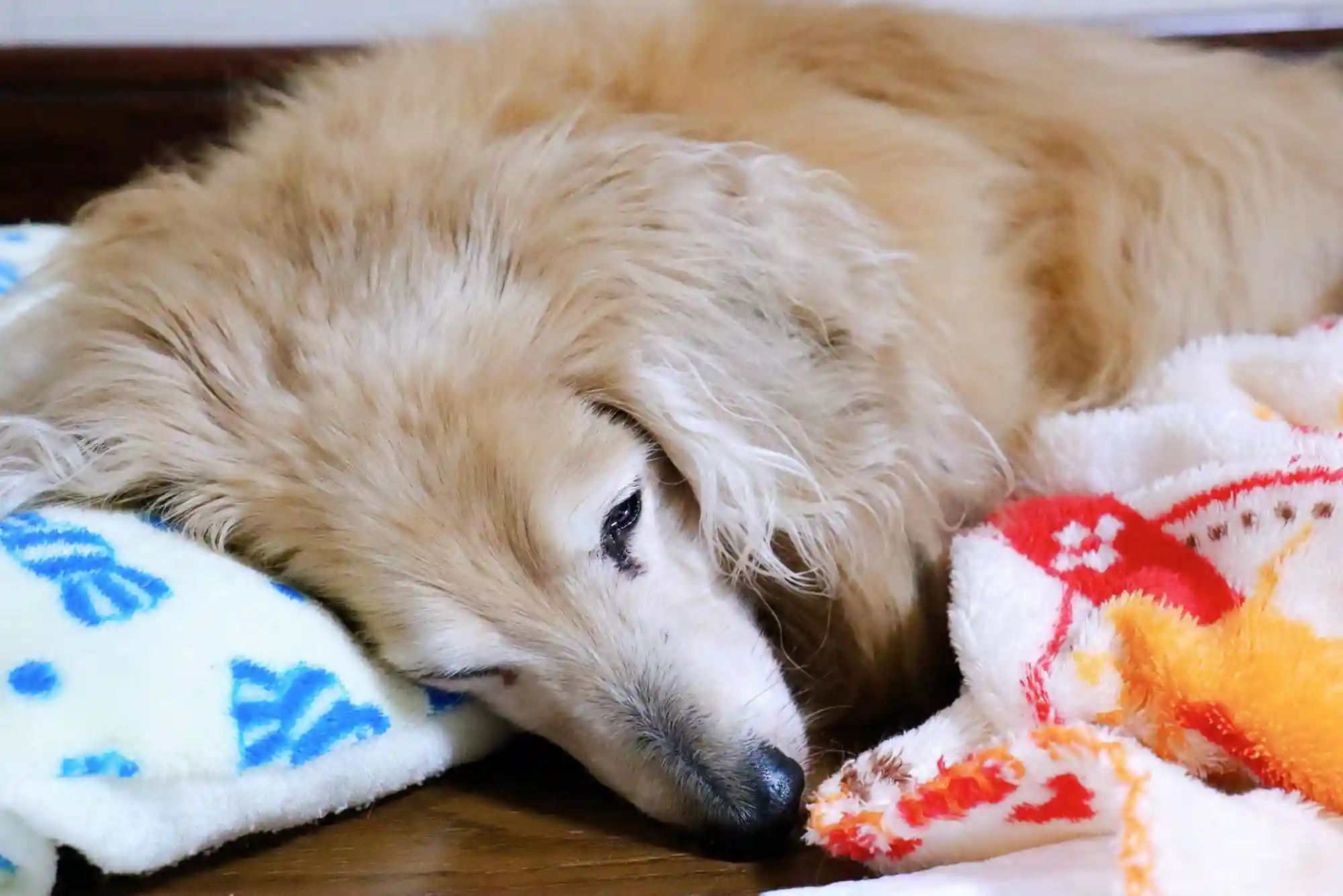
Resource guarding in dogs can become stressful when a pet growls over food, protects toys, or snaps when someone approaches. These behaviors may seem frightening, but they often develop from a dog’s fear of losing something valuable. Understanding this behavior is the first step toward improving safety and trust.
Resource Guarding in Dogs: How to Stop Food and Toy Aggression with Trade Drills focuses on teaching dogs that human involvement brings positive outcomes. Instead of taking valuable objects away, owners can use reward-based training to build confidence. With patience, consistent practice, and appropriate safety measures, many dogs can learn to relax around their resources.
However, resource guarding should never be addressed through punishment or confrontation. These approaches can increase fear and make aggressive behavior more dangerous.
Understanding Resource Guarding in Dogs
Resource guarding occurs when a dog uses threatening behavior to keep something valuable. The protected resource might be food, a chew, a favorite toy, a sleeping area, or even a person.
Some dogs become stiff when someone approaches their bowl. Others eat faster, carry toys away, growl, or show their teeth. In severe cases, they may lunge or bite when someone attempts to remove an object.
These behaviors communicate discomfort and a desire to maintain access to the resource. They do not automatically mean a dog is dominant or deliberately challenging its owner.

Resource guarding can develop because of previous competition, insecurity, stressful experiences, or individual temperament. Sometimes, the behavior appears suddenly in a previously relaxed dog. Pain or other medical problems may contribute, making veterinary assessment important.
Recognizing the early warning signs helps owners intervene before the situation escalates.
Why Food and Toy Aggression Develops
Food guarding often appears when dogs believe someone might take away their meals. Dogs with a history of food competition may become especially protective around feeding time.
Toy guarding can develop for similar reasons. A dog may value a particular ball, chew, or stuffed toy so highly that losing it feels threatening.
Unfortunately, certain common training practices can make guarding worse. Repeatedly removing a food bowl, grabbing toys without offering anything in return, or scolding a growling dog can teach the animal that people approaching mean something unpleasant is about to happen.
Instead, owners should change that association. A person’s approach should predict something good rather than the loss of a valued possession.
This principle forms the foundation of effective trade drills. The goal is not simply to make a dog surrender an object. It is to help the dog feel safer when people are nearby.
How Trade Drills Help Stop Resource Guarding in Dogs
Trade drills teach dogs that releasing an object can lead to an equally valuable or better reward. Rather than forcing a dog to surrender something, the owner offers an appealing alternative.
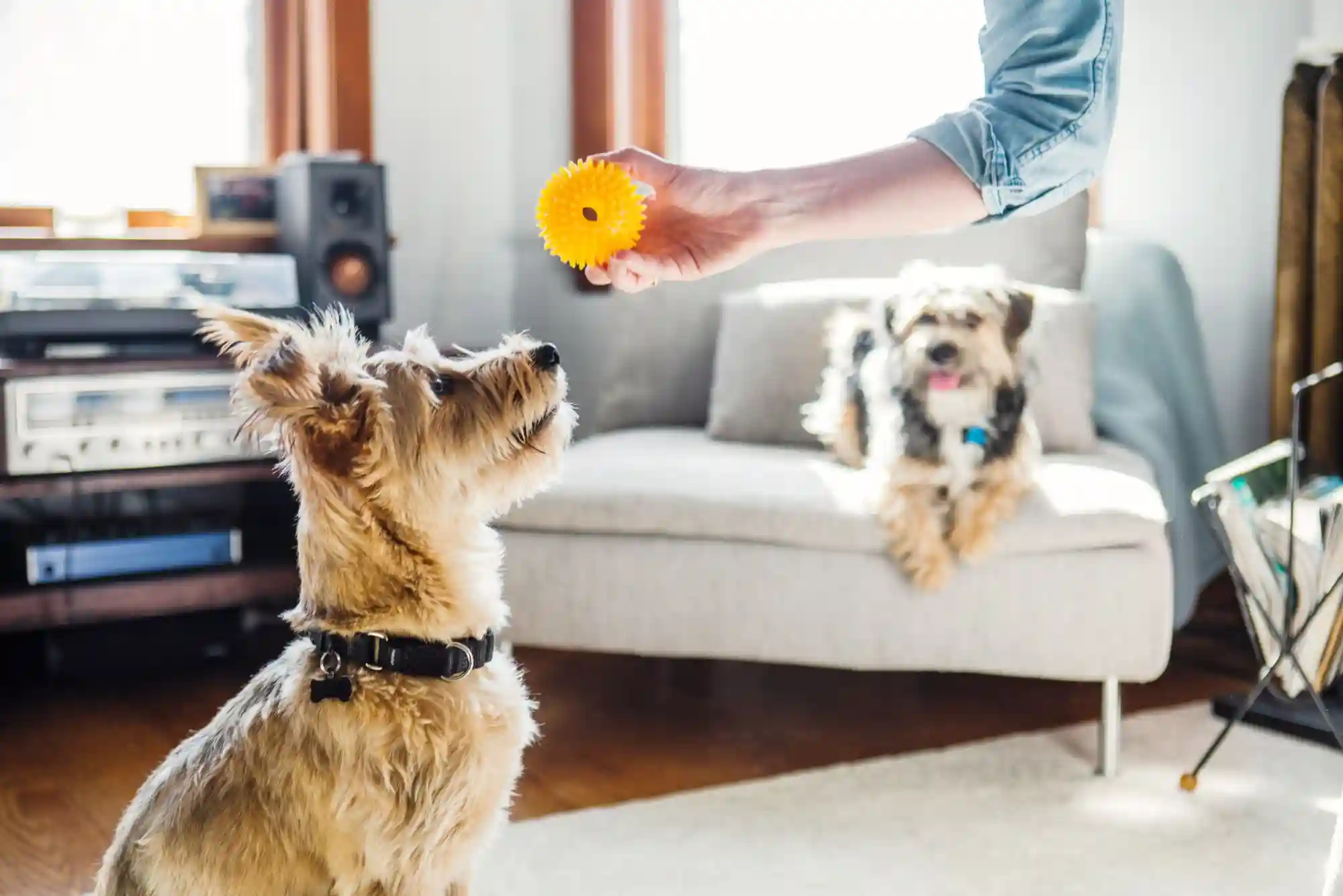
For example, a dog holding a toy might release it to receive a favorite treat. Once the dog understands the exchange, the owner can gradually introduce a cue such as “drop it.”
The reward should match the value of the object. A small piece of ordinary kibble may not interest a dog protecting a special chew. A more appealing treat can make the exchange worthwhile.
Begin with easy objects when the dog is relaxed. Practice during calm moments instead of waiting until the dog becomes defensive.
Most importantly, never reach into a guarded dog’s mouth or grab an object simply to test its response. Such actions can trigger a bite and damage the dog’s trust.
Teaching a Safe Drop-It Trade
A positive trade drill should begin with a toy that the dog enjoys but does not fiercely protect.
Offer the toy during a relaxed training session. Allow the dog to hold it comfortably, then present a high-value treat near its nose without crowding or startling the animal.
When the dog voluntarily releases the toy, calmly reward the release. Pick up the toy only when it is safe to do so, and consider returning it immediately.
Returning the toy is important because it teaches the dog that releasing something does not always mean losing it permanently. This can reduce anxiety during future exchanges.
Once the dog begins releasing the toy reliably, introduce the verbal cue “drop it” just before presenting the treat. Repeat short sessions and gradually practice with different toys.
If the dog freezes, stiffens, growls, or refuses to disengage, stop the exercise. Do not move closer or insist on completing the trade. Return to an easier situation or seek professional guidance.
Managing Food Guarding Safely
Food guarding requires particular care because feeding areas can create intense emotional responses. Start by preventing situations in which people feel compelled to approach or remove food.
Feed the dog in a quiet location where children and other animals cannot disturb it. Give the dog enough space to eat without feeling watched or threatened.
Never take away the bowl repeatedly to demonstrate control. This can strengthen the dog’s expectation that people approaching will remove its meal.
For dogs showing mild discomfort, a qualified reward-based professional may recommend carefully structured counterconditioning. The general goal is to help the dog associate a person’s presence at a comfortable distance with something positive.
For example, an experienced trainer might begin by identifying a distance where the dog remains completely relaxed. At that distance, a person can toss an extra treat toward the feeding area and then move away.
The distance should never be reduced until the dog remains consistently comfortable. If tension develops, the exercise is too difficult and should stop.
Dogs that growl, snap, lunge, or have bitten over food need individualized professional guidance. Do not attempt close-range food-bowl exercises without appropriate support.
Preventing Resource Guarding From Escalating
Management is just as important as training. While working on resource guarding in dogs, owners should prevent unnecessary confrontations and protect everyone in the household.
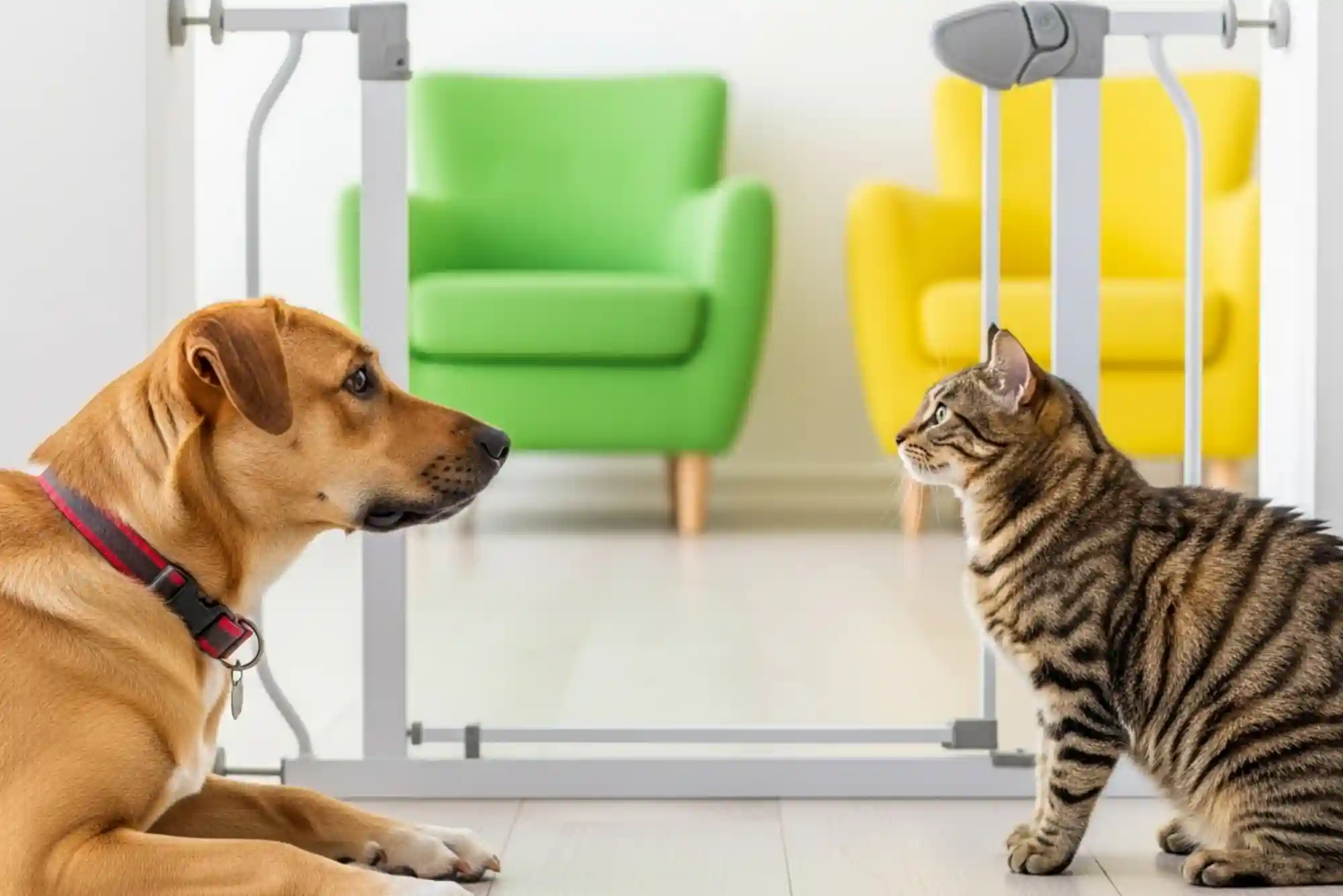
Provide separate feeding spaces for pets that compete over food. Keep children away from dogs while they eat, sleep, or enjoy chews. Store highly valued toys when supervision is unavailable.
If a dog steals an object, avoid chasing it. Chasing can turn the situation into a stressful contest and encourage the dog to guard the item more intensely.
Instead, assess the immediate risk. If the object is not dangerous, give the dog space and seek a safe opportunity to encourage disengagement. If the object is hazardous or the dog is already threatening, do not attempt to force removal.
Teach household members to respect canine body language. A stiff posture, fixed stare, closed mouth, or sudden stillness may signal discomfort before a growl occurs.
Never punish growling. It is an important warning that the dog feels threatened. Suppressing that warning without addressing the underlying emotion may increase bite risk.
Common Mistakes When Training Resource Guarding
One major mistake is assuming that a dog must surrender everything immediately. Training should build cooperation, not obedience through intimidation.
Another mistake is using low-value rewards during difficult exchanges. If the reward is not appealing enough, the dog may have little reason to participate willingly.
Owners should also avoid moving too quickly. A dog that comfortably trades a low-value toy may still guard a chew or food bowl. Success with one resource does not guarantee success with another.
Consistency matters, but it does not mean repeating an exercise until the dog gives in. Sessions should remain brief, calm, and appropriate to the dog’s comfort level.
Finally, avoid interpreting every growl as disobedience. Guarding is a behavioral concern that deserves thoughtful management and, when necessary, professional assessment.
When to Seek Professional Help
Professional support is especially important when resource guarding includes snapping, biting, lunging, or guarding multiple resources. It is also advisable when children live in the household or owners cannot safely manage the dog’s behavior.
A veterinarian can investigate pain or medical conditions that may contribute to sudden behavioral changes. A qualified veterinary behaviorist or experienced reward-based behavior professional can develop an individualized plan.
Look for professionals who use humane, evidence-informed methods and avoid intimidation, forced removal, or confrontational techniques.
Progress varies between dogs. Some improve relatively quickly with careful management, while others need longer-term behavior modification. The priority is reducing risk and improving the dog’s emotional comfort, not achieving an unrealistic promise that guarding will disappear completely.
Frequently Asked Questions
Can resource guarding in dogs be corrected?
Resource guarding can often be improved through management, positive reinforcement, and carefully planned behavior modification. However, outcomes depend on the dog’s history, the severity of the behavior, and the household environment. Some dogs require lifelong management to maintain safety.
How do I stop my dog from growling when I take a toy away?
Avoid grabbing the toy or punishing the growl. Instead, prevent unnecessary confrontations and teach voluntary exchanges with suitable rewards during relaxed training sessions. If your dog threatens to bite, seek help from a qualified behavior professional.
Should I take my dog’s food away to prevent food aggression?
No. Repeatedly removing food can increase anxiety and strengthen guarding behavior. Give your dog a quiet feeding area and avoid disturbing it while eating. If food guarding is present, consult a qualified professional for an appropriate behavior plan.
What is the best way to teach a dog to drop a toy?
Start with a low-conflict toy and offer a reward the dog values. Reward voluntary release, then introduce a consistent verbal cue. Keep sessions short and return the toy when appropriate so releasing it does not always mean losing it.
Does resource guarding mean my dog is aggressive?
Not necessarily. Resource guarding is a behavior intended to maintain access to something valuable. However, growling, snapping, and biting can create genuine safety risks. Understanding the behavior and addressing it early can help prevent escalation.
Conclusion
Resource guarding in dogs can be challenging, but thoughtful training and safe management can make everyday interactions easier. Trade drills help dogs learn that releasing a valued object can bring rewards rather than conflict.