Feline Hyperthyroidism: Weight Loss with Increased Appetite Symptoms and Treatment
Feline Hyperthyroidism: Weight Loss with Increased Appetite Symptoms and Treatment is an important topic for cat owners. This common endocrine disorder mainly affects older cats. It can cause noticeable weight loss despite a strong appetite. Other changes may develop gradually and seem like normal aging.
However, hyperthyroidism is not simply a dietary issue. An overactive thyroid increases the body’s metabolic rate. As a result, affected cats burn calories and nutrients unusually quickly. Early veterinary attention can improve comfort and reduce complications.
Understanding the condition helps owners recognize warning signs sooner. It also makes treatment decisions easier after diagnosis. With appropriate care, many cats can enjoy a good quality of life for years.
What Is Feline Hyperthyroidism?
Feline hyperthyroidism occurs when the thyroid glands produce excessive thyroid hormones. These hormones influence metabolism, heart function, temperature regulation, and energy use.
In cats, the condition usually results from benign enlargement of thyroid tissue. Cancerous thyroid tumors are uncommon. Even so, excessive hormone production can affect several body systems.
The disease is particularly common in middle-aged and older cats. Because symptoms often develop slowly, owners may overlook early changes.

Why Does Hyperthyroidism Cause Weight Loss and Increased Appetite?
The connection between weight loss and increased appetite is one of the classic signs of feline hyperthyroidism.
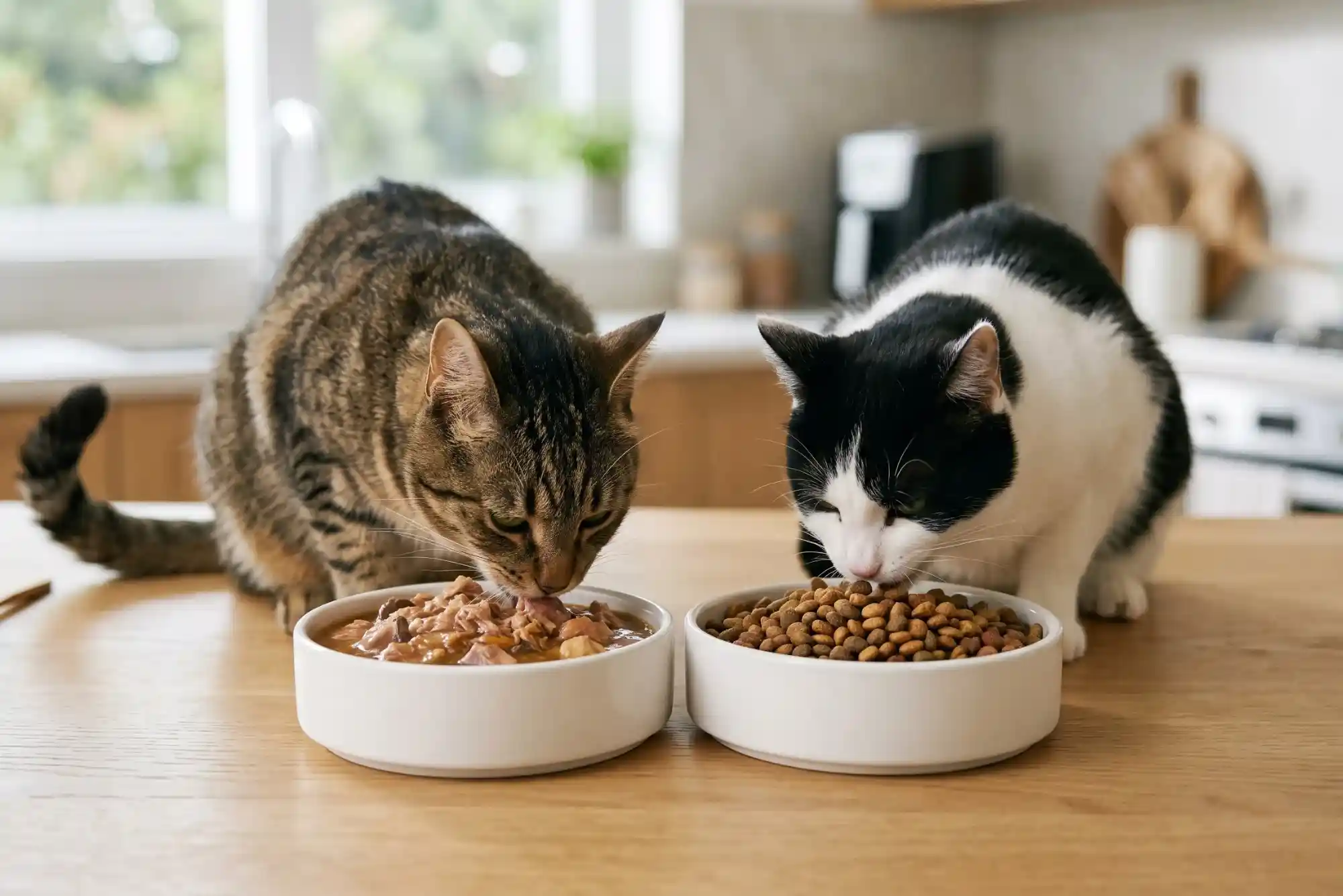
Thyroid hormones accelerate metabolism throughout the body. Consequently, the cat uses energy faster than usual. The cat may eat more food while still losing body weight.
Muscle tissue can also break down when energy requirements remain elevated. Therefore, weight loss may continue despite an apparently healthy appetite.
This combination deserves veterinary evaluation, especially in an older cat. Diabetes, intestinal disease, kidney disease, and other conditions can produce similar changes.
Common Symptoms of Feline Hyperthyroidism
Feline Hyperthyroidism: Weight Loss with Increased Appetite Symptoms and Treatment involves more than changes in body weight.
Weight Loss
Progressive weight loss is one of the most recognizable signs. The ribs, spine, or hips may become more noticeable.
Some cats lose weight gradually. Others experience significant body condition changes within several months.
Increased Appetite
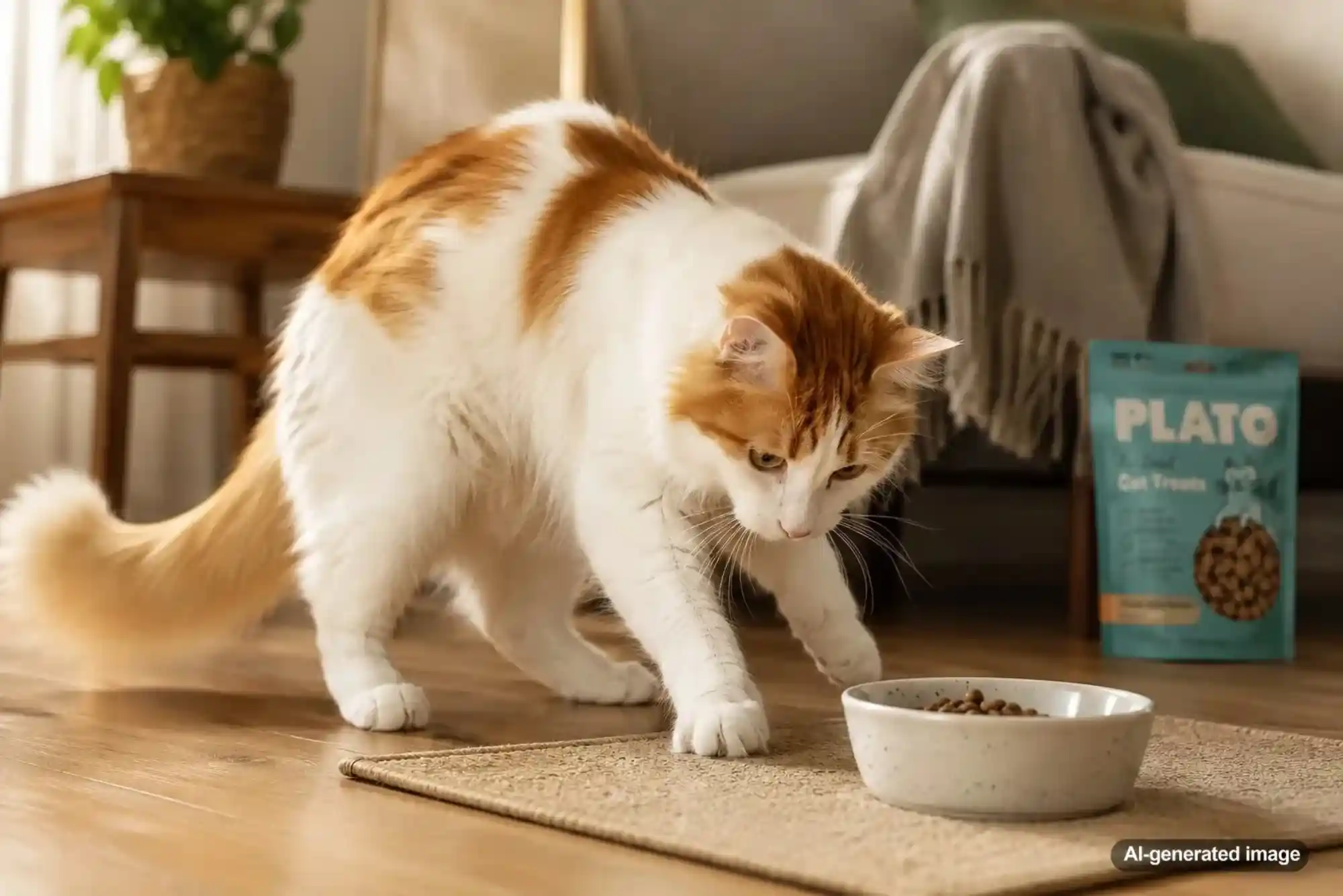
Many hyperthyroid cats become unusually hungry. They may demand food more frequently or become persistent around mealtimes.
However, appetite can vary. Some severely affected cats may eventually lose their appetite.
Increased Thirst and Urination
Some cats drink more water and urinate more frequently. These symptoms can also indicate kidney disease or diabetes.
Therefore, laboratory testing is important before assuming hyperthyroidism is responsible.
Vomiting or Diarrhea
Digestive changes can occur because metabolism and gastrointestinal activity are affected. Frequent vomiting or diarrhea should never be dismissed.
Persistent digestive symptoms require veterinary assessment.
Restlessness and Hyperactivity
An affected cat may become unusually active, restless, or anxious. Some cats appear unable to settle comfortably.
These behavioral changes can be subtle. Owners often notice them only after comparing current behavior with previous habits.
Rapid Heart Rate
Excess thyroid hormone can stimulate the cardiovascular system. Consequently, the heart may beat faster than normal.
Long-term disease can contribute to heart muscle changes and hypertension. These complications make timely treatment especially important.
Poor Coat Condition
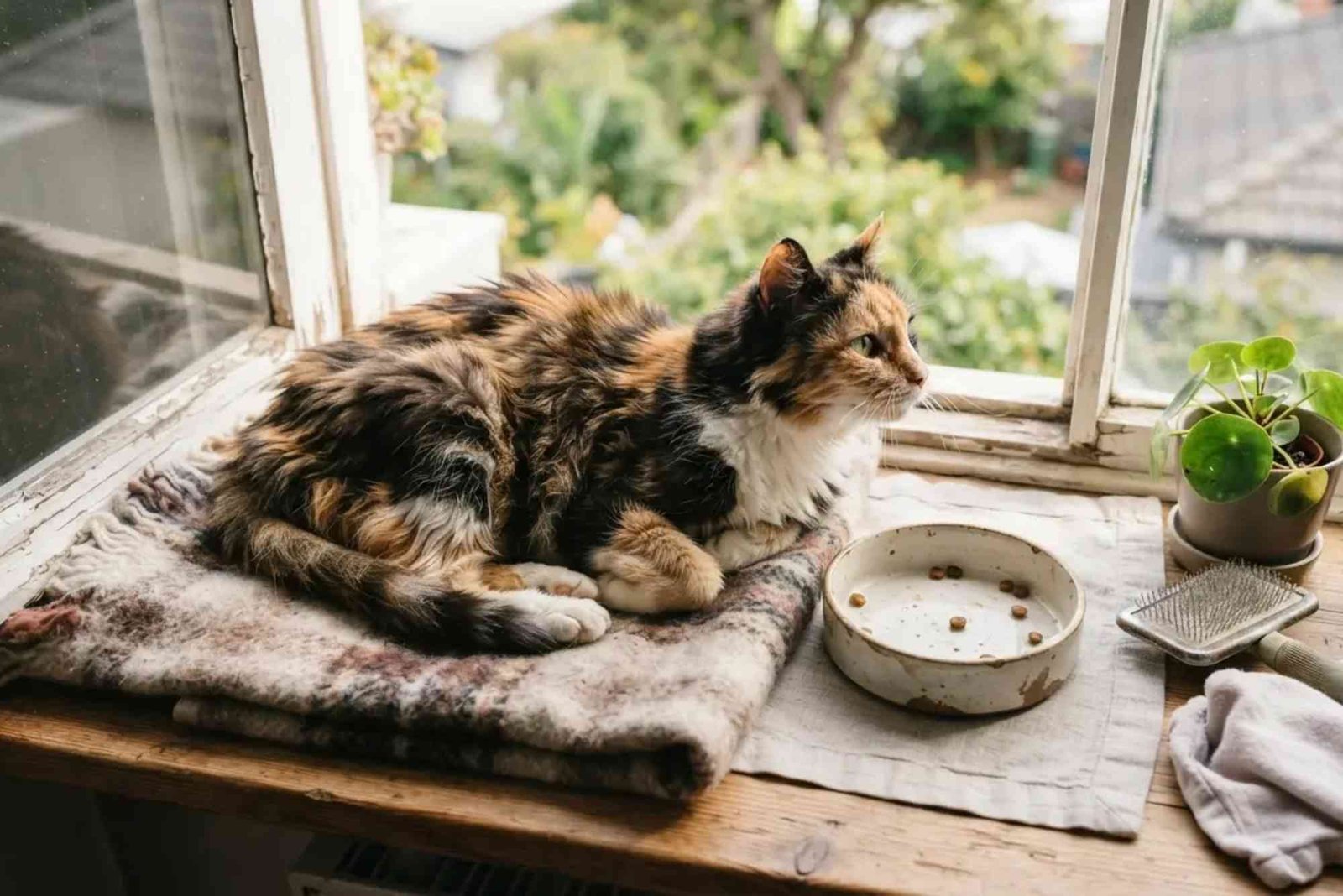
The coat may become greasy, unkempt, or thinner. Some cats groom excessively, while others groom less effectively.
Changes in appearance can provide another clue that something is wrong.
Symptoms and Their Possible Significance
| Symptom | Possible effect of hyperthyroidism | Why veterinary evaluation matters |
|---|---|---|
| Weight loss | Increased metabolism | Confirms the underlying cause |
| Increased appetite | Higher energy requirements | Helps distinguish other diseases |
| Increased thirst | Metabolic and kidney effects | Diabetes and kidney disease can look similar |
| Increased urination | Increased fluid turnover | Requires laboratory assessment |
| Vomiting | Faster gastrointestinal activity | Other digestive diseases are possible |
| Diarrhea | Altered intestinal activity | Persistent diarrhea needs investigation |
| Restlessness | Increased metabolic stimulation | Helps identify systemic disease |
| Rapid heartbeat | Cardiovascular stimulation | May indicate complications |
| Poor coat | Reduced overall condition | Supports the broader clinical picture |
How Is Feline Hyperthyroidism Diagnosed?
Veterinarians usually begin with a physical examination and medical history. They may feel the neck for an enlarged thyroid gland.
Blood testing commonly includes measurement of total thyroxine, often called T4. An elevated T4 can strongly support a diagnosis when clinical signs match.
However, diagnosis can sometimes be challenging. Some cats have thyroid hormone levels near the upper end of normal.
Additional testing may therefore be recommended. The veterinarian may assess free T4, repeat hormone testing, or perform other diagnostic procedures.
Blood pressure measurement is also valuable. Kidney function and heart health deserve attention because thyroid disease can influence both systems.
Treatment Options for Feline Hyperthyroidism
Treatment depends on the cat’s health, age, household circumstances, and veterinary recommendations.
Medication
Antithyroid medication reduces thyroid hormone production. Methimazole is commonly used for this purpose.
Medication does not remove abnormal thyroid tissue. Instead, it controls hormone production while treatment continues.
Some cats tolerate medication very well. Others experience side effects, including digestive problems or changes in blood results.
Regular veterinary monitoring is therefore essential.
Radioactive Iodine Therapy
Radioactive iodine therapy is often considered a definitive treatment. It targets abnormal thyroid tissue while minimizing damage to healthy tissue.
This treatment can provide excellent long-term control. It also avoids daily medication in many successfully treated cats.
However, availability, cost, and specialized treatment facilities can affect accessibility.
Surgery
Surgical removal of abnormal thyroid tissue can provide a definitive solution. It may be appropriate for selected cats.
Because the thyroid glands sit near important structures, surgery requires careful planning. Veterinary specialists may be involved in complicated cases.
Prescription Diet
A veterinarian may recommend a restricted-iodine diet for certain cats. The diet aims to reduce the iodine available for thyroid hormone production.
For this approach to work properly, the cat generally needs to eat the therapeutic diet exclusively. Other foods and treats may interfere with the dietary strategy.
Owners should discuss this option carefully with their veterinarian.
What Happens If Hyperthyroidism Is Left Untreated?
Untreated feline hyperthyroidism can affect multiple organs. The heart is particularly important because excessive thyroid hormones increase cardiovascular workload.
High blood pressure may also develop. In some cats, this can damage organs such as the eyes, brain, kidneys, and heart.
Kidney function requires special consideration. Hyperthyroidism can increase blood flow through the kidneys, sometimes masking underlying kidney disease.
After treatment, previously hidden kidney problems may become more apparent. This is why kidney testing before and after treatment is important.
Caring for a Cat After Diagnosis
A diagnosed cat needs consistent monitoring. Follow the prescribed treatment schedule carefully.
Changes in appetite, weight, thirst, urination, activity, or behavior should be reported. Keeping a simple record can help the veterinarian evaluate progress.
Weight monitoring is especially useful. Gradual stabilization usually provides valuable information about treatment effectiveness.
Veterinary follow-up should not be skipped. Blood tests help determine whether thyroid levels and other organ functions remain appropriate.
Technology can also help owners monitor everyday behavior. Resources such as Smart Pet Tech Reviews may provide general information about useful pet-monitoring tools. However, technology should complement veterinary care rather than replace it.
Uaebyte can also be useful when exploring broader technology-related information. Still, medical decisions for pets should come from qualified veterinary professionals.
Prognosis for Cats With Hyperthyroidism
The outlook for treated cats is often favorable. Many cats regain weight and become calmer after thyroid hormone levels are controlled.
Their appetite may gradually return to a more normal level. Coat quality and activity can also improve.
Prognosis depends on several factors. Age, kidney function, heart health, blood pressure, and treatment response all matter.
Early diagnosis generally provides more opportunities to manage complications effectively.
Feline Hyperthyroidism: Weight Loss with Increased Appetite Symptoms and Treatment: When to See a Veterinarian
Contact a veterinarian when an older cat loses weight unexpectedly. Increased appetite makes the change especially important.
Veterinary attention is also appropriate when drinking, urination, vomiting, diarrhea, or behavior changes increase.
Emergency assessment may be necessary when a cat develops severe breathing difficulty, collapse, profound weakness, or sudden vision problems.
These signs can indicate serious complications and should not wait for a routine appointment.
Feline Endocrine Disorders and Long-Term Monitoring
Hyperthyroidism belongs to a broader group of feline endocrine disorders. These conditions can influence metabolism and several body systems.
Understanding the wider category can help owners recognize why multiple tests may be recommended.
CatVets Feline Endocrine Disorders is another useful reference topic for learning about endocrine conditions. However, educational resources should support professional diagnosis rather than replace it.
Frequently Asked Questions About Feline Hyperthyroidism
Does hyperthyroidism make cats lose weight?
Yes. Hyperthyroidism commonly increases metabolic activity, causing cats to burn energy rapidly. Weight loss can occur even when appetite remains strong.
Why is my cat losing weight but eating more?
Weight loss with increased appetite can occur with hyperthyroidism. Diabetes and other diseases can produce similar signs. A veterinary examination and blood testing can identify the cause.
Can feline hyperthyroidism be cured?
Some treatments can provide definitive control. Radioactive iodine and appropriate surgery may eliminate abnormal thyroid activity. Medication generally controls the condition while treatment continues.
What is the life expectancy of a cat with hyperthyroidism?
Life expectancy varies according to overall health and treatment response. Cats receiving appropriate treatment can often have a good quality of life.
What happens if feline hyperthyroidism is not treated?
Untreated disease can place additional stress on the heart and other organs. Hypertension and other complications may develop over time.
How is feline hyperthyroidism diagnosed?
Veterinarians commonly combine physical examination, clinical signs, and thyroid hormone testing. Additional tests may be needed when initial results are inconclusive.
Conclusion
Feline Hyperthyroidism: Weight Loss with Increased Appetite Symptoms and Treatment is especially relevant for owners of older cats. Weight loss despite increased appetite should never be considered normal aging.
The condition is treatable, but early diagnosis matters. Veterinary testing can identify thyroid disease and reveal other problems affecting the cat’s health.
With appropriate treatment and regular monitoring, many cats can regain stability and enjoy a comfortable life. If your cat shows unexplained weight loss, increased appetite, excessive thirst, or behavioral changes, schedule a veterinary examination promptly.
Your veterinarian can determine the cause and recommend the safest treatment plan for your cat.
Related Reading: Best Heavy Duty No-Pull Harnesses for Pitbulls, Boxers, and Strong Pullers
Related Reading: فندق الفوز مكة