
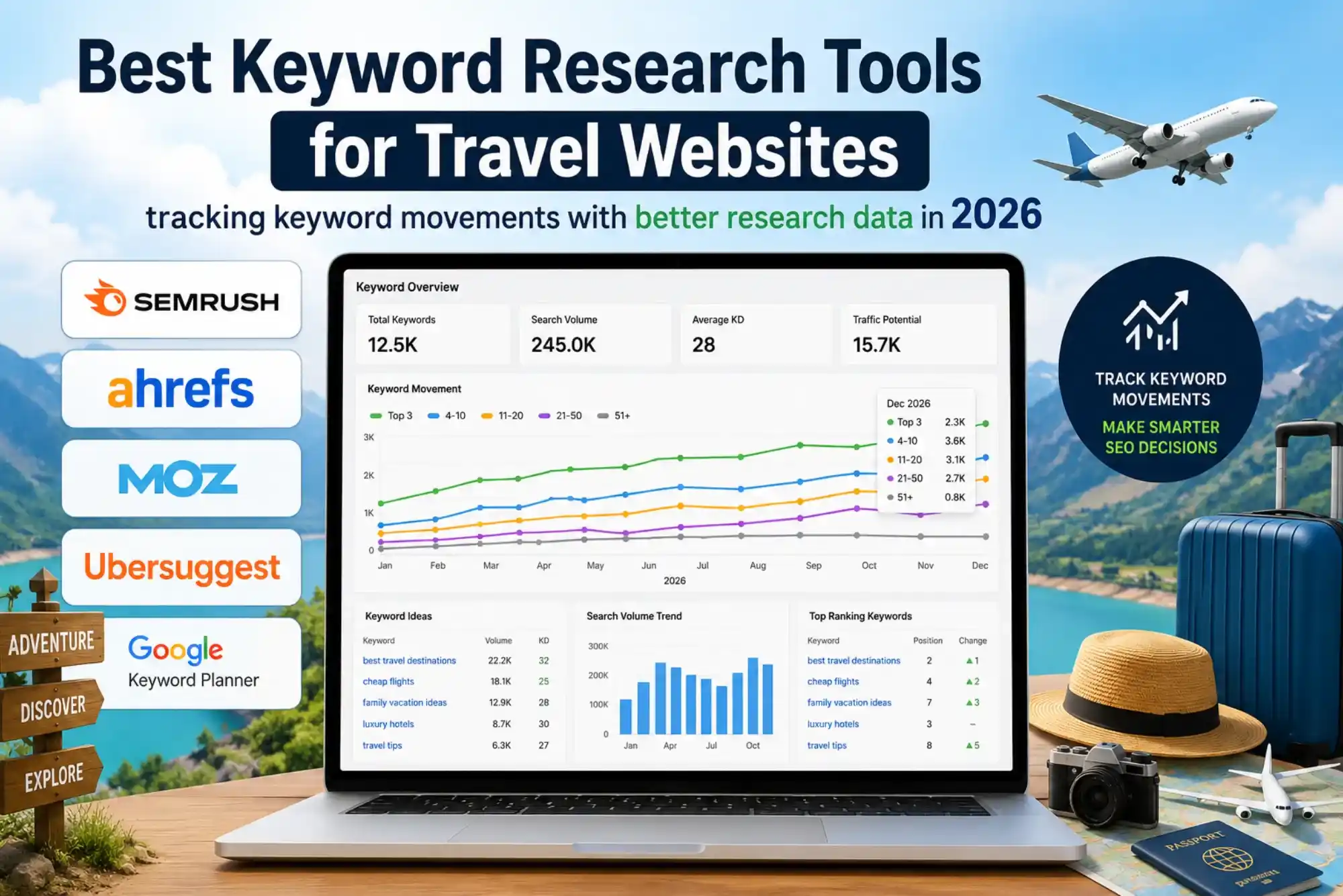
Travel websites continue to face intense competition in 2026. Large booking platforms, AI-generated travel guides, local tourism portals, and influencer-driven content have changed how travelers discover destinations online. Smaller travel businesses and independent publishers now need smarter SEO strategies without overspending on enterprise software.
Affordable SEO tools have become essential for travel bloggers, tour operators, destination websites, and niche travel agencies that want sustainable organic traffic growth. The good news is that modern SEO platforms offer practical features at accessible prices, making it possible to compete effectively even with limited marketing budgets.
Many travel brands are also improving performance through better technical optimization and content structure, similar to the methods discussed in website efficiency improvement strategies. Combining these practices with the right SEO tools creates a stronger long-term growth strategy.
Why SEO Matters More for Travel Websites in 2026
Travel search behavior has become more detailed and experience-driven. Users now search for hyper-specific queries such as “family-friendly desert tours in Dubai,” “digital nomad stays in Southeast Asia,” or “budget mountain retreats with coworking spaces.”
Search engines increasingly reward websites that provide useful destination expertise, updated information, fast-loading pages, and strong topical authority. For travel websites operating on practical budgets, SEO delivers one of the best long-term returns compared to paid advertising.
Well-optimized travel content can continue attracting visitors for months or even years after publication. This makes SEO particularly valuable for evergreen travel guides, destination pages, itinerary articles, and tourism-related services.

What Travel Websites Should Look for in SEO Tools
Not every SEO tool is suitable for the travel industry. Travel websites often require tools that support content planning, local search visibility, seasonal keyword trends, and mobile optimization.
Before subscribing to any platform, website owners should evaluate whether the software helps with:
- Destination keyword research
- Competitor analysis
- Local SEO tracking
- Technical SEO audits
- Content optimization
- Backlink monitoring
- SERP tracking for travel-related searches
- Mobile performance analysis
Practicality matters more than having dozens of advanced features that rarely get used.
Best Affordable SEO Tools for Travel Websites
Google Search Console
Google Search Console remains one of the most valuable free SEO tools available for travel websites. It helps website owners monitor search visibility, indexing issues, keyword performance, and mobile usability.
Travel businesses can identify which destination pages attract the most traffic and which queries lead users to their website. Seasonal traffic patterns are especially important for tourism-focused websites.
Key benefits include:
- Free performance monitoring
- Indexing issue detection
- Keyword visibility reports
- Core Web Vitals insights
- International targeting support
Google Trends
Travel demand changes constantly based on seasons, weather, global events, and tourism trends. Google Trends helps publishers identify rising travel searches before they become highly competitive.
For example, travel bloggers can spot emerging destinations or trending activities and publish optimized content early. This strategy helps smaller websites gain visibility ahead of larger competitors.
Ubersuggest
Ubersuggest continues to attract small travel businesses because of its affordable pricing and beginner-friendly interface. It offers keyword research, content ideas, backlink analysis, and competitor tracking.
Travel websites can use it to discover long-tail keywords with lower competition, which is especially useful for destination-specific articles and niche tourism services.
| Feature | Why It Helps Travel Websites |
|---|---|
| Keyword Research | Find destination-specific search terms |
| Traffic Estimation | Analyze competitor visibility |
| Content Suggestions | Generate travel article ideas |
| Backlink Analysis | Track authority-building opportunities |
SE Ranking
SE Ranking has become increasingly popular among agencies and travel startups looking for affordable all-in-one SEO management. It combines rank tracking, site audits, competitor monitoring, and keyword research in a single dashboard.
For travel websites managing multiple destination pages, organized keyword grouping and local search tracking can significantly improve optimization efforts.
Businesses that are scaling their online systems often pair SEO growth with broader digital improvements similar to the operational enhancements discussed in AI-driven business optimization strategies.
Ahrefs Webmaster Tools
Although Ahrefs premium plans can be expensive for smaller businesses, the free Webmaster Tools version offers valuable insights for travel site owners.
Users can monitor:
- Broken links
- Technical SEO issues
- Backlink profiles
- Internal linking gaps
- Crawling problems
Travel websites often accumulate outdated pages due to changing tourism information. Regular technical audits help maintain search performance and user trust.
AnswerThePublic
Travel content performs best when it answers real user questions. AnswerThePublic helps discover question-based searches travelers commonly ask online.
This is especially helpful for creating:
- Travel FAQs
- Visa guides
- Destination itineraries
- Packing recommendations
- Local transportation advice
Question-focused content also increases the likelihood of appearing in featured snippets and AI-powered search summaries.
Comparing Affordable SEO Tools for Travel Businesses
| Tool | Best For | Pricing Level | Ideal User |
|---|---|---|---|
| Google Search Console | Performance monitoring | Free | All travel websites |
| Google Trends | Trend discovery | Free | Travel bloggers |
| Ubersuggest | Keyword research | Low-cost | Small agencies and bloggers |
| SE Ranking | All-in-one SEO management | Moderate | Growing travel businesses |
| Ahrefs Webmaster Tools | Technical SEO audits | Free | Content-heavy travel sites |
| AnswerThePublic | Content planning | Affordable | Travel content creators |
How Travel Websites Can Reduce SEO Costs
Many travel businesses overspend on software subscriptions they rarely use. A more practical strategy involves combining free tools with one affordable premium platform.
For example:
- Use Google Search Console for performance monitoring
- Use Google Trends for seasonal insights
- Use one affordable SEO suite for keyword tracking and audits
- Focus on evergreen travel content rather than constant content volume
Travel websites should also prioritize strong content structure and internal linking instead of chasing every trending SEO feature.
Businesses investing in scalable online systems often see stronger results when combining SEO with cloud-based workflows and digital infrastructure similar to the solutions covered in cloud software strategies for modern businesses.
The Importance of Local SEO for Tourism Websites
Local SEO has become increasingly important for travel agencies, hotels, tour providers, and regional tourism businesses. Travelers often search with local intent, especially when booking activities, accommodations, or transportation.
Affordable SEO tools can help optimize:
- Google Business Profiles
- Location pages
- Local keywords
- Map visibility
- Review monitoring
Travel businesses targeting specific destinations should create detailed local content supported by accurate metadata and mobile-friendly design.
Content Optimization Strategies for Travel Websites
SEO tools are only effective when paired with strong content strategies. Travel websites should focus on creating useful, experience-based articles that genuinely help travelers plan trips.
Effective travel content often includes:
- Updated destination information
- Budget breakdowns
- Seasonal recommendations
- Transportation advice
- Safety considerations
- Real itinerary suggestions
- Local cultural insights
Structured formatting also improves readability and search visibility. Well-organized headings, short paragraphs, and practical tables can significantly improve user engagement.
For additional SEO learning resources and industry guidance, website owners can explore [Insert relevant reference link here] as part of their ongoing optimization strategy.
Common SEO Mistakes Travel Websites Should Avoid
Even affordable tools cannot fix poor SEO habits. Many travel websites continue making avoidable mistakes that reduce search visibility.
Publishing Thin Destination Content
Short, generic destination pages rarely perform well in modern search results. Search engines prioritize content that demonstrates expertise and usefulness.
Ignoring Mobile Optimization
Most travel-related searches now happen on mobile devices. Slow-loading pages and poor mobile layouts directly impact rankings and user experience.
Targeting Overly Competitive Keywords
Trying to rank for broad phrases like “best hotels” or “cheap flights” can be unrealistic for smaller travel websites. Long-tail travel queries offer better opportunities.
Neglecting Technical SEO
Broken links, indexing issues, duplicate pages, and outdated content can gradually reduce website performance.
Technical improvements and smart operational planning are often connected, especially for growing digital brands similar to those explored in modern mobile-focused business transformation strategies.
How AI Is Changing SEO Tools for Travel Websites
AI-assisted SEO tools have become more common in 2026. Many platforms now provide automated keyword clustering, content recommendations, and competitor analysis.
However, travel businesses should avoid relying entirely on automated content generation. Search engines increasingly reward originality, firsthand expertise, and authentic destination knowledge.
AI tools work best when supporting human-led content strategies rather than replacing them.
Building a Practical SEO Workflow on a Budget
A practical SEO workflow helps travel websites stay consistent without requiring a large marketing team.
A simple monthly workflow might include:
- Review keyword performance in Google Search Console
- Identify seasonal travel trends using Google Trends
- Update outdated destination articles
- Fix technical SEO issues
- Publish one or two high-quality travel guides
- Monitor rankings and backlinks
Consistency usually produces better results than publishing large volumes of low-quality content.
Frequently Asked Questions
What is the best free SEO tool for travel websites?
Google Search Console is widely considered the most valuable free SEO tool because it provides direct performance insights from Google search data.
Are expensive SEO tools necessary for small travel websites?
No. Many small travel websites achieve strong results using a combination of free tools and one affordable SEO platform focused on keyword research and technical optimization.
How often should travel websites update SEO content?
Travel content should ideally be reviewed every few months, especially for destination guides, transportation details, seasonal advice, and pricing-related information.
Can travel blogs compete with large booking websites?
Yes. Smaller travel blogs can compete by targeting niche topics, long-tail keywords, local expertise, and experience-based content that large booking platforms often lack.
What type of content performs best for travel SEO?
Detailed destination guides, itineraries, local travel tips, budget breakdowns, and question-based content typically perform well in organic search.
Conclusion
Affordable SEO tools for travel websites are more powerful and accessible than ever in 2026. Smaller tourism brands no longer need massive marketing budgets to compete in search results. With the right combination of keyword research, technical optimization, local SEO, and high-quality travel content, even modest travel websites can build sustainable organic visibility.
The most effective strategy is not necessarily the most expensive one. Travel businesses that focus on practical workflows, user-focused content, and consistent optimization often outperform competitors relying solely on costly software subscriptions. Choosing affordable SEO tools that genuinely support business goals can create long-term growth without unnecessary complexity or overspending.
Related Reading: Best All-in-One SEO Tools for Travel Websites in 2026: What to Use and Why
Related Reading: Affordable Wedding Planning Ideas
Related Reading: Free vs Paid SEO Tools for Travel Websites: Which Option Makes More Sense in 2026?